

Dermatology Blog

Patient Education Doctor-Written Style

Clear, practical guidance for healthier skin

Explore blog articles on prevention, treatment, and daily skin habits written in a patient-friendly style that reflects the clinic’s thoughtful approach to care.

Healthy skin close-up for dermatology blog
Trusted dermatology insight Helpful skin education from a high-touch clinic perspective

Featured Articles

Five dermatology topics patients ask about most often

Dermatology screening consultation
Skin Cancer Prevention

Why Regular Skin Checks Matter Even When Nothing Looks Wrong

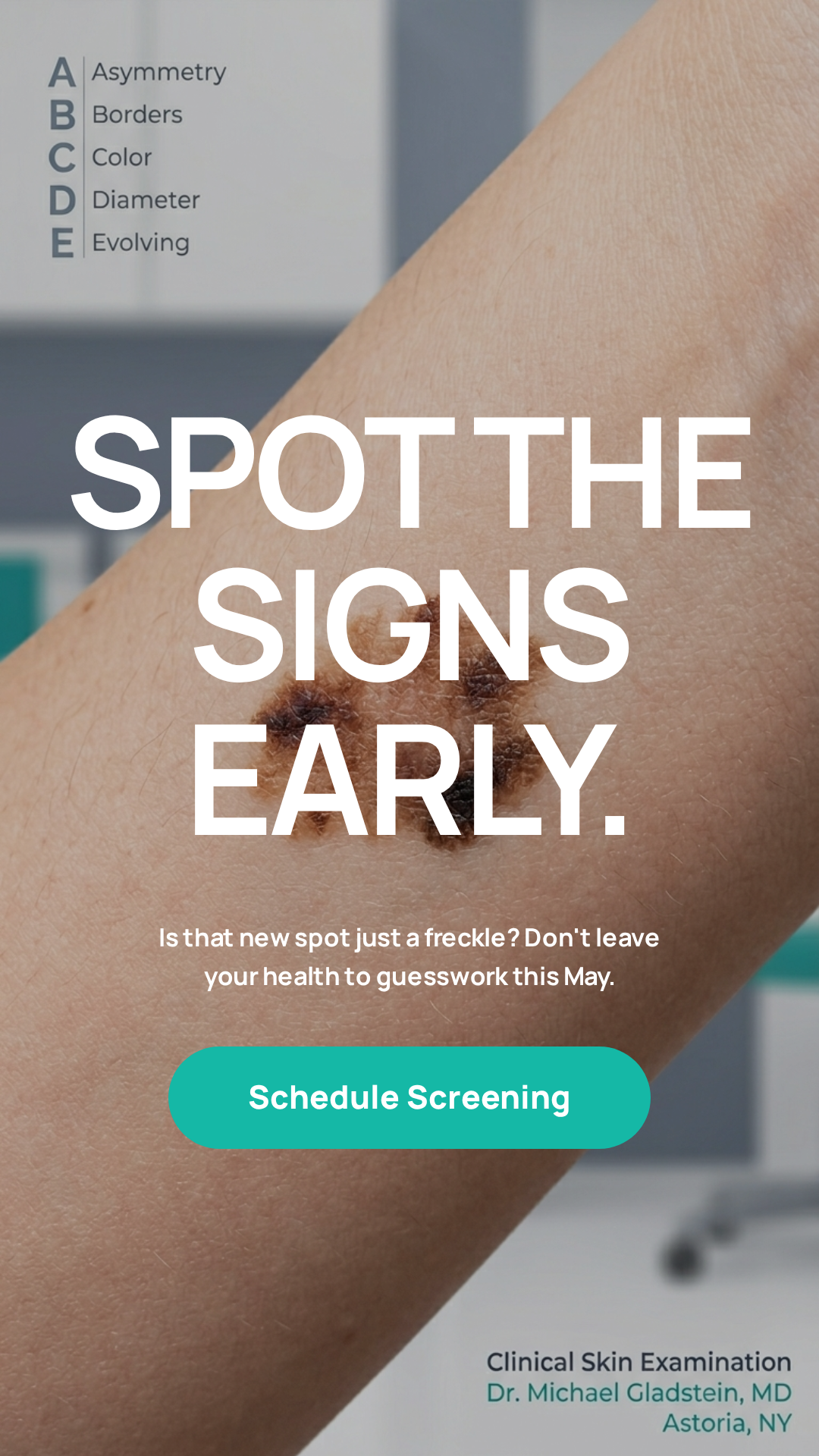
Many patients assume a skin cancer screening is only necessary when a mole becomes clearly alarming. In reality, some of the most important findings are subtle and easiest to identify before they become more serious. A screening gives your dermatologist the chance to examine the skin carefully, compare patterns, and determine whether anything deserves closer attention.

Preventive checks can be especially valuable for people with a personal or family history of skin cancer, many moles, lighter skin tones, or years of sun exposure. The goal is not to create fear, but to provide clarity and catch concerning changes early. When problems are identified sooner, treatment decisions are usually simpler and outcomes are often better.

Acne treatment skin care
Acne Treatment

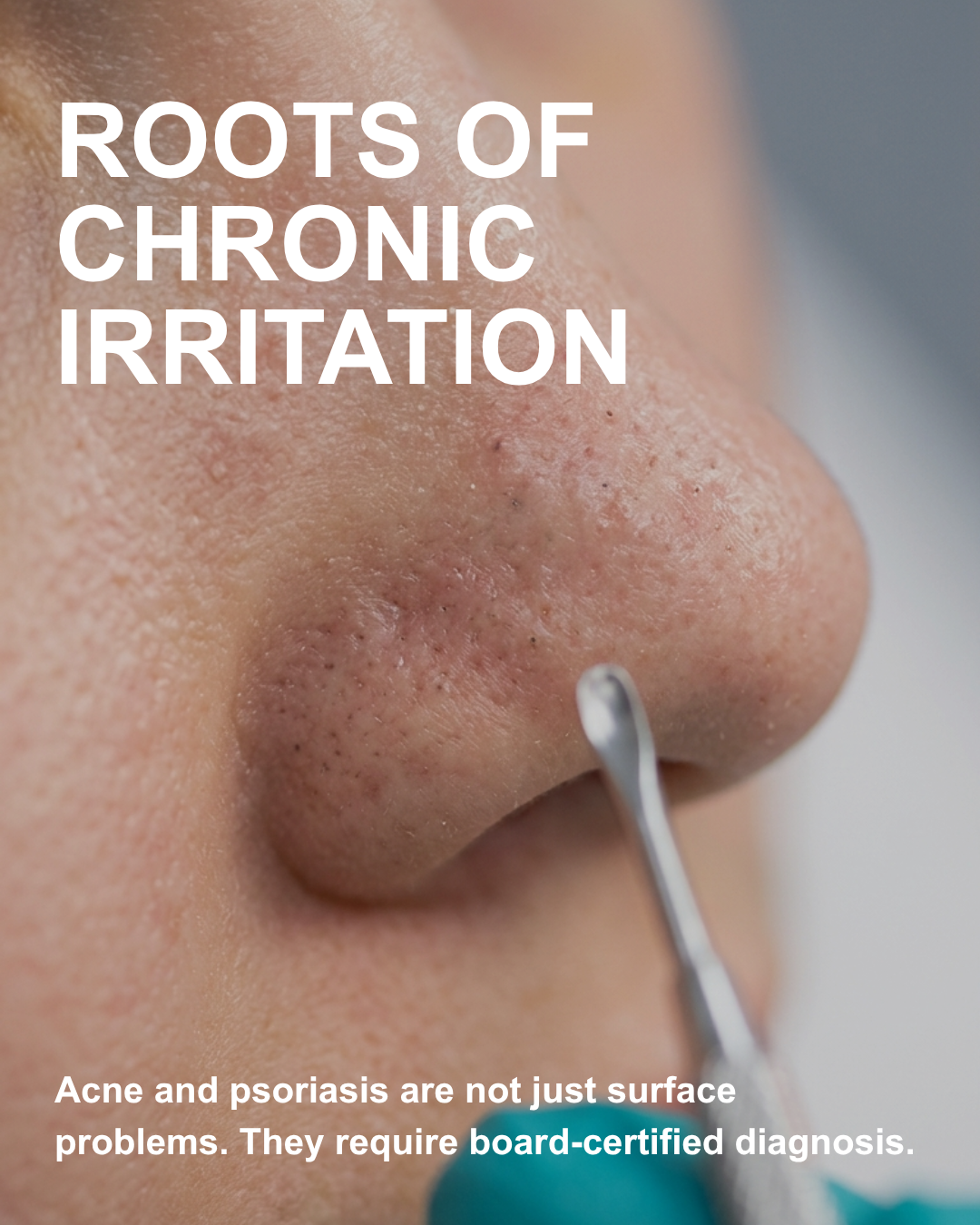
Adult Acne: Why It Happens and When to Seek Professional Care

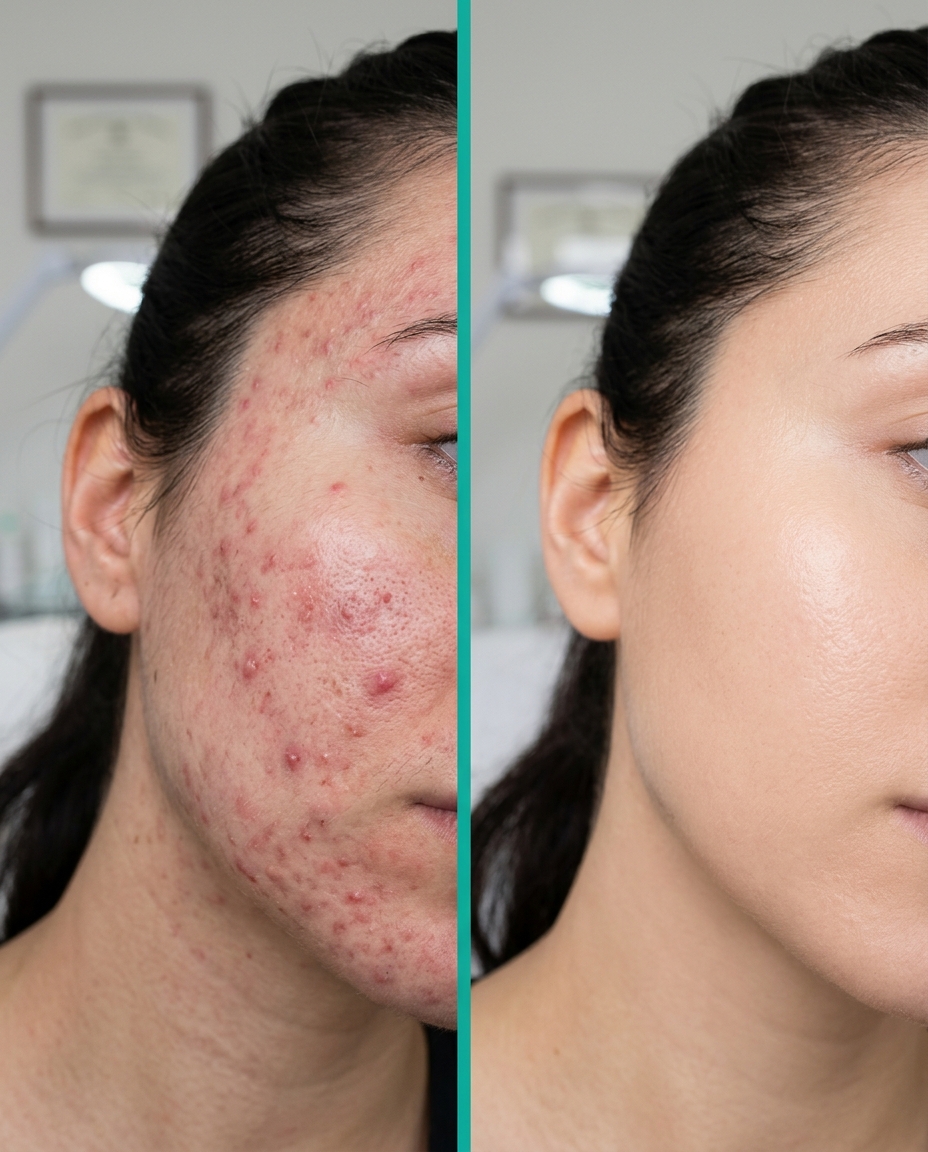
Acne is not limited to adolescence. Many adults develop persistent breakouts due to hormonal changes, irritation from skin products, stress, or a combination of several factors. When acne is ongoing, painful, or leaving dark marks and scars, it is worth discussing with a dermatologist rather than relying only on trial-and-error over-the-counter products.

Professional treatment can help reduce inflammation, improve the skin barrier, and create a daily routine that actually fits your skin type. A thoughtful plan often saves patients time, frustration, and the long-term effects of untreated acne. The right treatment is rarely one-size-fits-all, which is why individualized care matters.

Healthy skin close-up
Psoriasis Management

Living With Psoriasis: Small Steps That Can Improve Daily Comfort

Psoriasis can affect more than the surface of the skin. It may influence confidence, sleep, comfort, and the way patients dress or plan their day. One of the most important parts of treatment is recognizing that flare control often depends on consistency, not just occasional rescue care.

Regular follow-up, the right moisturization habits, and adjustments in treatment when symptoms change can make a major difference. Patients often do best when they have a plan they understand and can realistically follow. Clear communication and long-term monitoring help turn psoriasis care into something more manageable and less disruptive.

Sun care and healthy skin lifestyle
Sun Protection

Smart Sun Protection Habits That Support Long-Term Skin Health

Sun protection is one of the simplest and most meaningful things people can do for their skin. A broad-spectrum sunscreen, shade when possible, and protective clothing all help reduce cumulative damage that contributes to premature aging and skin cancer risk. These habits are useful year-round, not only during the summer.

Patients often benefit from choosing products they actually enjoy wearing. The most effective sunscreen is the one you use consistently. If you spend time outdoors, reapplication matters, and so does paying attention to easy-to-miss areas such as the ears, neck, scalp line, and backs of the hands.

Gentle skincare portrait
Sensitive Skin Care

How to Build a Gentle Routine When Your Skin Reacts Easily

Sensitive skin often becomes worse when patients keep switching products too quickly. A gentle routine usually works best when it is simple: a mild cleanser, appropriate moisturization, and a sunscreen that does not sting or irritate. Adding multiple active ingredients at once can make it difficult to know what is helping and what is making the skin more reactive.

If burning, redness, itching, or repeated irritation continue, a dermatologist can help identify whether the problem is sensitivity, eczema, rosacea, contact irritation, or something else. The right diagnosis matters because treatment becomes much more effective once the skin is understood clearly.

Need Expert Advice?

Discuss your skin concerns with a board-certified dermatologist

Call the clinic directly to schedule an appointment and receive clear, personalized dermatology guidance.

Book By Phone